Westclox Alarm Clock Manual: A Comprehensive Guide
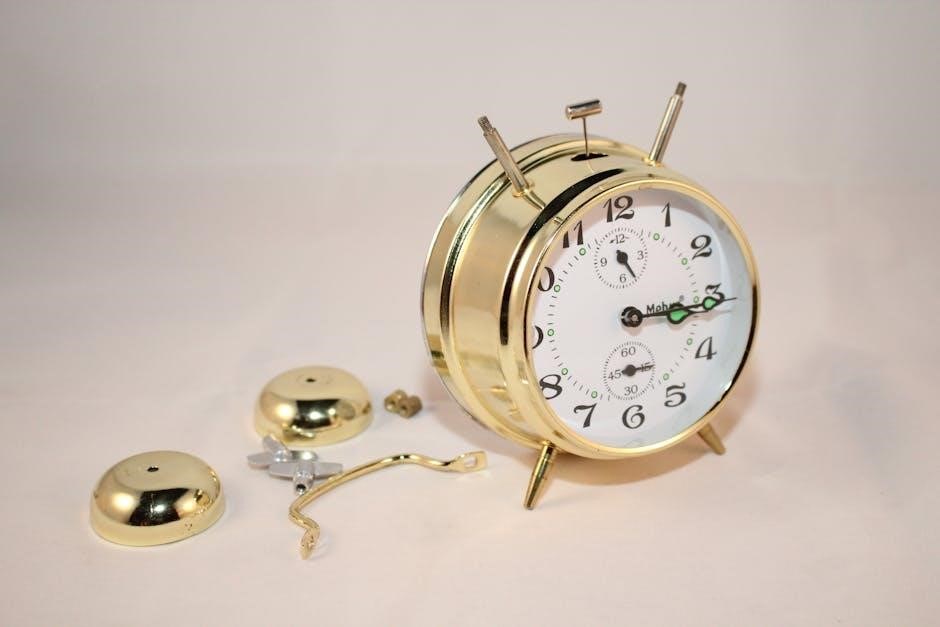
Welcome! This manual details the iconic Westclox alarm clocks, covering history, identification, setting, maintenance, and repair—ensuring your timepiece continues ticking accurately.
Explore resources for parts, synchronization tools, and online marketplaces to preserve these classic timekeepers for generations to come.
Understanding Westclox History and Evolution
Westclox’s journey began in 1886 as the Western Clock Manufacturing Company, initially producing affordable clocks for a rapidly changing America. By 1903, the company was a significant national presence, achieving a production milestone of over one million clocks.
The name officially transitioned to Westclox in 1912, marking a period of innovation and iconic designs like the Big Ben; Early 20th-century models sometimes bear the original “Western Clock Mfg. Co.” marking, indicating pre-1912 production.
Throughout the decades, Westclox adapted, incorporating new technologies and styles, yet consistently delivering reliable timekeeping. From simple wind-up mechanisms to illuminated dials, the brand’s evolution reflects America’s own progress.
Early Westclox Models (Pre-1912)
Before the official “Westclox” name, Western Clock Manufacturing Company produced a diverse range of timepieces. These early models, primarily from the late 19th and early 20th centuries, focused on affordability and practicality for the average household.
Identifying these clocks often involves looking for markings reading “Western Clock Mfg. Co.” rather than the later “Westclox” branding. Designs were generally simpler, utilizing robust, mechanical movements.
These pre-1912 clocks laid the foundation for Westclox’s future success, establishing a reputation for dependable timekeeping. While less ornate than later models, they represent a crucial period in the company’s history and are highly sought after by collectors today.
The Rise of Westclox: 1912 and Beyond
The year 1912 marked a pivotal shift, with the official adoption of the “Westclox” brand name. This coincided with a period of rapid growth and innovation, fueled by mass production techniques and a growing national demand for reliable alarm clocks.
Westclox quickly became synonymous with affordable, quality timekeeping. Iconic models like the Big Ben emerged, becoming household staples. The company expanded its product line, incorporating new designs and features to cater to evolving consumer preferences.

By the mid-20th century, Westclox had cemented its position as a leading clock manufacturer, consistently adapting to market trends and maintaining its commitment to durability and accuracy.
Identifying Your Westclox Alarm Clock Model
Uncover your clock’s history! Learn to decode model numbers (like 20380), recognize classic designs—Big Ben, Angelus—and accurately date your Westclox treasure.
Decoding Model Numbers (e.g., 20380)
Westclox model numbers are key to understanding your clock’s specifics. While a definitive, publicly available decoding guide is elusive, patterns emerge. Numbers often indicate the year of manufacture or a production sequence. For example, a ‘20380’ suggests a model from the 1975 timeframe, based on available collector knowledge.
However, this isn’t a rigid rule. Variations exist, and cross-referencing with online Westclox communities and parts manuals is crucial; The number can also hint at features – alarm functionality, movement type (30-hour or 8-day), or case style.
Resources like online forums and dedicated websites (mentioned later) provide collaborative efforts to decipher these codes, helping owners pinpoint their clock’s origin and characteristics. Careful observation of the clock’s design alongside the number aids accurate identification.
Recognizing Key Westclox Designs: Big Ben, Angelus, and Others
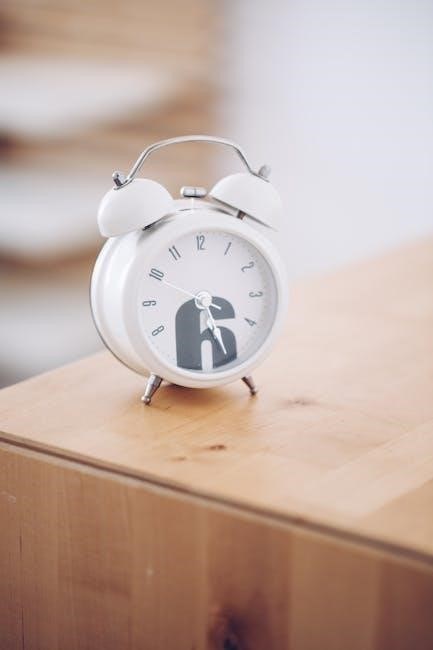
Westclox produced a diverse range of iconic designs. The Big Ben, instantly recognizable with its bell-shaped housing, is perhaps the most famous. The Angelus, known for its graceful curves and often featuring a decorative face, represents a different aesthetic. Other notable models include the Telechron, often with a streamlined, modern look, and various dome-top alarm clocks.
Identifying these designs helps narrow down the age and potential repair needs. Variations within each model exist – different dial colors, case materials, and movement types. Collector communities often categorize these variations. Recognizing these key designs is the first step in understanding your Westclox clock’s history and value.
Dating Your Westclox Clock
Determining the age of your Westclox clock requires careful observation. Early models (pre-1912) may bear the “Western Clock Mfg. Co.” marking instead of “Westclox.” Model numbers, like the 20380, are crucial; researching these numbers online can pinpoint the manufacturing year.
Movement type also provides clues. 30-hour movements are generally older than 8-day movements. Examining the clock’s design features – case style, dial font, and hand shape – and comparing them to known examples in online catalogs or collector guides can further refine the dating process. Remember, variations exist, so cross-referencing multiple sources is recommended for accuracy.

Setting the Time and Alarm
Precisely setting your Westclox involves understanding wind-up mechanisms and specific model instructions. Learn to operate alarm silencers, snooze functions, and ensure accurate timekeeping!
Wind-Up Mechanisms: A Step-by-Step Guide
Understanding the wind-up is crucial for Westclox functionality. Locate the winding knob, typically at the back or side of the clock. Gently turn the key clockwise – avoid forcing it! You’ll feel resistance as the mainspring coils, storing energy.
For 30-hour movements, wind fully each day. 8-day movements require winding once a week. Listen for a smooth, consistent winding sound; jerky motions indicate potential issues.
Never overwind! This can damage the mainspring. Once fully wound, the clock will run until the spring unwinds. Proper winding ensures consistent timekeeping and alarm function. Regular winding prevents the clock from stopping unexpectedly.
Keys and winders are essential for maintaining these vintage clocks.
Setting the Alarm on Common Westclox Models
Locate the alarm hand, usually smaller and distinct from the time-telling hand. Rotate it until it points to the desired alarm time. Many models feature a separate alarm setting dial or button; consult your specific model’s details.
Engage the alarm by moving the alarm lever or switch to the “on” position. This arms the alarm mechanism. Ensure the alarm hand isn’t touching the hour hand, as this can prevent proper function.
Test the alarm to confirm it rings at the set time. Some models have a silencer or snooze function; familiarize yourself with these features. Proper alarm setting guarantees a reliable wake-up call!
Remember to disengage the alarm after use to conserve energy.
Understanding Alarm Silencers and Snooze Functions
Alarm silencers, common in Westclox models, instantly mute the ringing. Typically, a button or lever near the alarm mechanism deactivates the sound. This is ideal for situations where you need immediate quiet without fully resetting the alarm.
Snooze functions offer a temporary reprieve. Activating snooze—often with a button on top of the clock—delays the alarm for a set period, usually 5-10 minutes. This allows for a few extra moments of rest before another wake-up attempt.
Proper use ensures a gentle and controlled wake-up experience.

Maintenance and Repair
Preserve your Westclox! Regular cleaning, careful key/winder use, and gentle pendulum/moving parts care are vital for longevity and accurate timekeeping.
Troubleshooting common issues ensures continued operation.
Key and Winder Usage
Proper winding is crucial. Locate the winding arbor, typically at the back of the clock. Insert the correct Westclox key or winder – forcing it can cause damage!
Turn the key clockwise until you feel resistance; do not overtighten. Overtightening strains the mainspring, potentially leading to breakage and requiring professional repair.
For clocks with separate alarm and time windings, wind each independently. Regularly winding keeps the clock functioning optimally. If the clock stops shortly after winding, it may indicate a need for cleaning or repair by a qualified clock technician. Always handle the key and winder with care to avoid damaging the delicate winding mechanism.
Caution: Never use excessive force!
Pendulum and Moving Parts Care
Gentle handling is essential. Avoid directly touching the pendulum or internal moving parts with your fingers, as oils and contaminants can impede function.
Ensure the clock is placed on a level surface to allow for consistent pendulum swing. Dust accumulation can affect performance; use a soft brush to gently remove debris from visible parts.
Never attempt to lubricate the movement yourself unless you possess specialized knowledge. Improper lubrication can attract dust and worsen issues. If the pendulum stops or the clock runs erratically, avoid forceful adjustments.
Professional cleaning and servicing are recommended periodically to maintain optimal performance and prevent wear on delicate components. Inspect for any loose screws or visible damage.
Troubleshooting Common Issues
Clock not ticking? First, ensure it’s properly wound. If wound, gently nudge the pendulum to restart its swing. A level surface is crucial.
Alarm doesn’t sound? Verify the alarm is correctly set and the silencer isn’t engaged. Check for obstructions preventing the hammer from striking.
Clock runs slow or fast? Minor adjustments to the pendulum’s position can regulate speed – lowering speeds it up, raising slows it down.
If issues persist, avoid forceful repairs. Consult a qualified clock repair technician. Online resources and manuals can aid diagnosis, but disassembly should be left to professionals to prevent further damage.
Westclox Features and Variations
Explore diverse Westclox movements – from reliable 30-hour to extended 8-day options. Discover striking, repeating, and illuminated dial functionalities enhancing these classic clocks.
30-Hour vs. 8-Day Movements
Westclox alarm clocks utilized two primary movement types: 30-hour and 8-day. The 30-hour movement, as the name suggests, requires winding approximately every 30 hours to maintain operation. These were incredibly common, offering affordability and simplicity in design.
Conversely, the 8-day movement boasts a significantly longer run time, needing winding only once a week. While generally found in higher-end models, this extended duration provides convenience. Identifying the movement type is crucial for proper maintenance.
Consider the winding key; some are specific to each movement. Regular winding, using the correct key, ensures consistent timekeeping and alarm functionality. Understanding these differences aids in appreciating the engineering behind each Westclox timepiece.
Striking and Repeating Clocks
Certain Westclox models feature striking and repeating mechanisms, adding a charming auditory element beyond the standard alarm. Striking clocks chime the hour, while repeating clocks re-strike the hour upon demand – often activated by a button or lever.
These features indicate a more complex movement, requiring careful maintenance. The striking mechanism involves a hammer, bell, and intricate gear train. Ensure these components are free from obstruction for proper function.
Avoid forceful adjustments when interacting with striking or repeating functions. Gentle operation prevents damage to delicate parts. Understanding these mechanisms enhances appreciation for the craftsmanship of these vintage clocks.
Illuminated Dial Functionality
Many Westclox models, particularly those from the mid-20th century, incorporated illuminated dials for enhanced visibility in low-light conditions. This feature utilized radium or, later, tritium paint on the hands and dial markings, causing them to glow.
If your clock illuminates when plugged in, it indicates the original lighting system is still partially functional. However, be aware that radium paint poses a health risk and should not be disturbed. Avoid direct contact with the dial surface.
Modern LED replacements are available for a safe and effective illumination upgrade. These offer similar visibility without the hazards associated with radioactive materials, preserving the clock’s usability and aesthetic appeal.

Resources for Westclox Owners
Discover valuable resources! Explore repair manuals, parts suppliers, and online marketplaces like eBay for Westclox clocks and components—plus, precise online stopwatch tools.
Westclox Parts and Repair Manuals
Locating original Westclox documentation can be invaluable for restoration. Early manuals, like the 1919 Westclox Parts and Repair Manual, offer detailed schematics and instructions. However, these can be challenging to find and often appear on online auction sites.
Several websites specialize in vintage clock parts, offering replacement gears, springs, and dials specifically for Westclox models. When sourcing parts, carefully verify compatibility with your clock’s model number – crucial for a successful repair.
Digital copies of some manuals are available through online clock enthusiast communities and forums. These resources often provide scanned images and transcriptions, aiding in troubleshooting and assembly. Remember to prioritize safety when undertaking repairs, and consult a professional if unsure.

Online Stopwatch and Timer Tools for Synchronization

Accurate timekeeping is essential when restoring a Westclox clock. Since these are mechanical devices, synchronization with a precise time source is vital. Fortunately, numerous free online stopwatch and timer tools are readily available.
Websites like Timer.net and Online Stopwatch offer simple, accurate digital stopwatches with lap timing and alarm features. These tools are accessible on any device – computers, tablets, or smartphones – eliminating the need for downloads.
Utilize these tools to verify your Westclox clock’s accuracy after setting the time and alarm. Regular synchronization ensures reliable performance and preserves the charm of your vintage timepiece. Consider using these tools during routine maintenance as well!
Online Marketplaces for Westclox Clocks and Parts
Restoring or completing your Westclox collection often requires sourcing parts or finding specific models. Several online marketplaces cater to vintage clock enthusiasts.
eBay is a prominent platform, boasting a vast selection of Westclox collectible alarm clocks and clock radios, particularly from the 1920-1949 era. You’ll find competitive pricing and frequent auctions.
Specialized vintage parts dealers also maintain online stores, offering everything from hands and dials to complete movements. Searching for “Westclox parts” will reveal numerous options. Remember to carefully review seller ratings and descriptions before purchasing to ensure authenticity and quality.
Happy hunting!