Transforming your outdoor space into a relaxing haven begins with appreciating the natural melodies around you; this guide unlocks the secrets of backyard birdsong!
Understanding the Importance of Birdsong
Birdsong is far more than just a pleasant backdrop to our days; it’s a vital indicator of environmental health and ecosystem vibrancy. The presence of diverse birdsong suggests a thriving habitat, free from significant pollution or disruption.
Listening attentively to these natural melodies connects us to the natural world, fostering a sense of peace and well-being. Birdsong also plays a crucial role in bird behavior – attracting mates, defending territory, and communicating warnings. Understanding these vocalizations allows us to appreciate the complex lives of our feathered neighbors and contribute to their conservation.
Why Identify Birds by Sound?
Identifying birds by their songs expands your birdwatching capabilities beyond visual sightings. Many birds are more easily detected by ear than by eye, especially in dense foliage or low-light conditions. This skill unlocks a deeper understanding of the avian life surrounding you, even when birds remain hidden.
Furthermore, recognizing birdsong allows for a more comprehensive assessment of bird diversity in your area. It’s a non-intrusive method of observation, minimizing disturbance to the birds themselves. Mastering this skill transforms your backyard into a dynamic soundscape, revealing a hidden world of avian communication and activity;

Common Backyard Birds and Their Songs
Discover the delightful melodies of frequent visitors! We’ll explore the unique vocalizations of robins, cardinals, finches, sparrows, and chickadees, bringing your backyard to life.
American Robin: A Familiar Melody
The American Robin’s song is a cornerstone of the spring soundscape, often described as a cheerful, warbling series of notes. It’s a versatile singer, capable of producing a wide range of phrases, often delivered from a prominent perch. Listen for a “cheerily, cheer up, cheerily” cadence, though variations are common. Robins also utilize a sharp “tut” call as an alarm or contact signal. Their songs aren’t just beautiful; they serve to establish territory and attract mates. Recognizing this familiar tune is a fantastic starting point for any budding bird song enthusiast, easily identifiable in many backyards.
Northern Cardinal: Whistled Phrases
The Northern Cardinal boasts a rich and varied repertoire, instantly recognizable by its clear, whistled phrases. Males deliver complex songs, often described as a series of descending whistles, frequently incorporating mimicry of other bird calls. Females also sing, though their songs are typically simpler. Listen for a “cheer, cheer, cheer” or “birdie, birdie, birdie” pattern. Cardinals sing year-round, making them a welcome sound even in winter. Their bright red plumage combined with their melodic songs makes them a favorite among birdwatchers, easily spotted and heard in backyards.
House Finch: A Cheerful Warble

The House Finch offers a delightful and energetic song, often described as a cheerful warble or a series of musical chirps. Males are the primary singers, delivering complex vocalizations to attract mates and defend territory. Their song begins with a rapid series of notes, often ending in a more drawn-out, warbling phrase. House Finches are adaptable and common visitors to backyards, frequently found near feeders. Recognizing their song is a rewarding experience, adding a bright and lively element to the backyard soundscape.
Song Sparrow: Varied and Complex
The Song Sparrow truly lives up to its name, boasting one of the most varied and complex songs in North America. Each individual male develops a unique song, often starting with clear, whistled phrases followed by buzzy trills and chips. These adaptable birds are common backyard visitors, singing from prominent perches. Their song can be lengthy and intricate, making identification challenging but rewarding. Learning to distinguish the core elements of a Song Sparrow’s song unlocks a deeper appreciation for the nuances of backyard birdsong.
Black-capped Chickadee: The “Chick-a-dee-dee-dee” Call
Instantly recognizable, the Black-capped Chickadee’s “chick-a-dee-dee-dee” call is a staple of backyard birdsong. The number of “dee” notes at the end isn’t random; it communicates the level of threat! More “dees” indicate a higher perceived danger, alerting other birds. Beyond this famous call, Chickadees also offer whistled “fee-bee” songs and complex vocalizations. These small, energetic birds are year-round residents, providing consistent background music. Mastering this call is a fantastic starting point for any aspiring birdsong enthusiast.
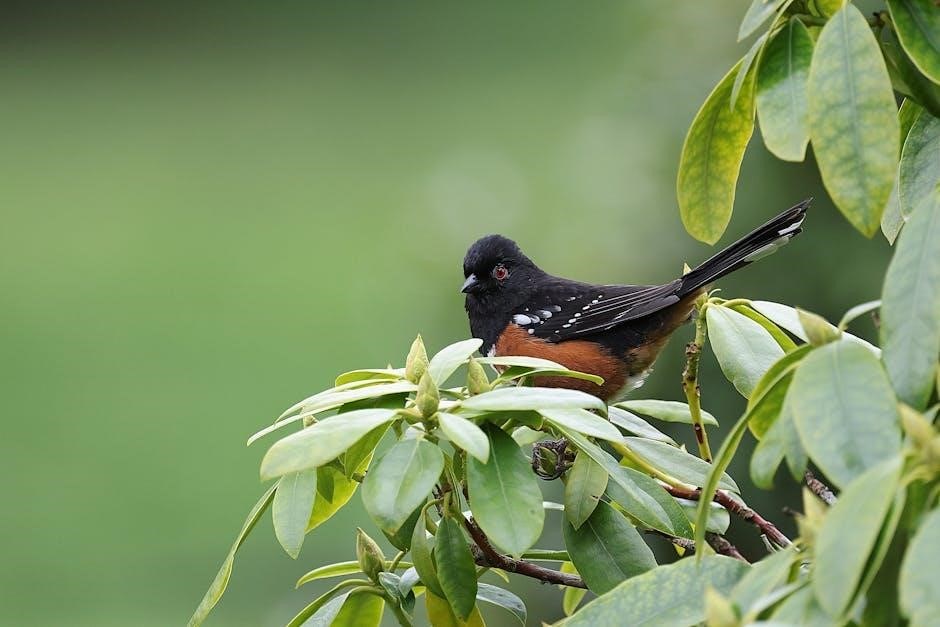
Tools for Birdsong Identification
Leverage technology and traditional methods! Apps, online databases, and binoculars are essential tools for accurately identifying birds by their unique and varied songs.
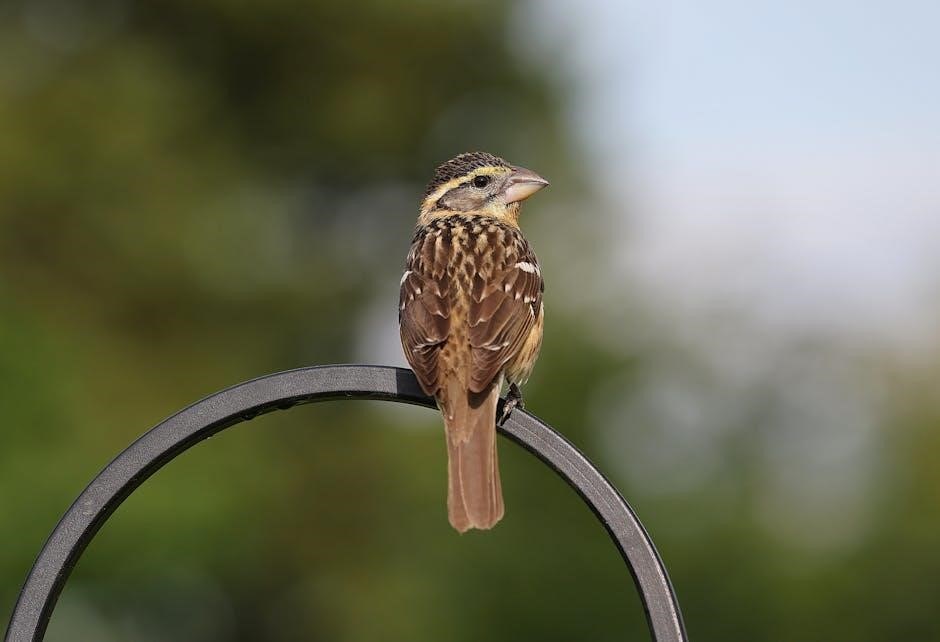
Birdsong Identification Apps
Modern technology offers incredible resources for bird enthusiasts. Birdsong identification apps, readily available for smartphones, utilize sophisticated sound recognition algorithms to analyze and identify bird vocalizations in real-time. These apps often feature extensive libraries of bird songs and calls, allowing users to compare recordings and learn quickly.
Many apps also provide detailed information about each species, including habitat, behavior, and visual identification cues. Some popular options include Merlin Bird ID by Cornell Lab and Song Sleuth. Utilizing these apps can significantly enhance your ability to identify birds by sound, even as a beginner, turning your backyard into a fascinating learning environment.
Online Birdsong Databases
Complementing apps, numerous online databases provide comprehensive collections of bird songs and calls. These resources are invaluable for in-depth study and comparison. The Cornell Lab of Ornithology’s Macaulay Library is a premier example, offering a vast archive of animal sounds, including extensive bird vocalizations from around the globe.
Xeno-canto is another excellent platform, focusing specifically on bird sounds contributed by users worldwide. These databases often allow you to search by species, location, or song characteristics. Utilizing these online resources alongside field observation and apps creates a powerful learning toolkit for mastering birdsong identification.
Using Binoculars Effectively
While birdsong is key, visual confirmation greatly aids identification. Binoculars are essential tools, but proper use maximizes their benefit. Start with a comfortable magnification – 8x or 10x are ideal for backyard birding. Focus smoothly; practice quickly locating and focusing on moving targets.
Stabilize your elbows against your chest for a steadier view. Scan branches systematically, rather than randomly. Learning bird shapes and plumage patterns, combined with song recognition, creates a holistic identification approach. Good binoculars enhance your ability to connect sound with sight, solidifying your learning.
Learning Birdsong: Techniques and Tips
Consistent practice and focused listening are vital; start slowly, concentrate on song structure, and record sounds for comparison to accelerate your learning journey!
Start with Common Species
Begin your birdsong journey by focusing on the most frequently heard birds in your backyard. Familiarizing yourself with their songs provides a solid foundation for future identification. The American Robin, Northern Cardinal, and Black-capped Chickadee are excellent starting points due to their prevalence and relatively distinct vocalizations.
Concentrate on mastering these common melodies before venturing into more complex songs. This approach builds confidence and trains your ear to discern subtle differences. Utilize available resources like apps and online databases to reinforce your learning. Remember, consistent exposure and focused listening are key to successful birdsong identification.
Focus on Song Structure
Instead of attempting to memorize entire songs immediately, break them down into their component parts. Pay attention to the rhythm, tempo, and pitch variations within each phrase. Is the song a series of whistles, trills, or chirps? Does it rise or fall in pitch? Identifying these structural elements provides crucial clues.
Consider the song’s complexity – is it simple and repetitive, or varied and intricate? Note any distinct patterns or motifs. Describing the song’s structure using descriptive terms will aid recall and comparison. This analytical approach transforms birdsong identification from a guessing game into a skill based on observation and understanding.
Record and Compare Birdsongs
Utilizing a smartphone or dedicated recording device to capture birdsong is an invaluable learning tool. Recording allows for repeated listening and detailed analysis, especially for complex or fleeting melodies. Compare your recordings with those available on online databases or apps – a direct comparison highlights subtle differences and confirms identifications.
Furthermore, recording birdsong over time can reveal individual variations and regional dialects. This practice sharpens your ear and deepens your understanding of avian communication. Don’t be afraid to share your recordings with fellow birders for collaborative identification and feedback, fostering a community learning experience.
Creating a Bird-Friendly Backyard
Attract feathered friends by providing essential resources: nourishing food, clean water, and protective shelter through native plants – a harmonious backyard ecosystem!
Providing Food Sources
Offering a variety of food sources is crucial for attracting diverse bird species to your backyard. Black oil sunflower seeds are a favorite for many, providing high energy. Nyjer seeds cater specifically to finches, while suet provides essential fats, especially during colder months.
Consider offering different feeder types – tube feeders, hopper feeders, and platform feeders – to accommodate various feeding preferences. Native plants bearing fruits and seeds also provide natural food sources. Regularly clean feeders to prevent the spread of disease, ensuring a healthy environment for your avian visitors. A consistent food supply encourages birds to return, enriching your backyard with their presence and songs.
Offering Water Sources
Beyond food, providing a clean water source is essential for attracting birds to your backyard. Birds need water for drinking and bathing, which helps maintain their plumage. A birdbath, even a simple one, can be incredibly appealing.
Ensure the birdbath is cleaned regularly to prevent algae growth and mosquito breeding. Consider a birdbath with a dripper or fountain to attract birds with the sound of moving water. During winter, a heated birdbath prevents freezing, offering a vital water source when natural sources are scarce. Consistent water availability enhances your backyard’s appeal and supports bird health.
Planting Native Trees and Shrubs
Establishing a bird-friendly backyard significantly benefits from incorporating native trees and shrubs. These plants provide natural food sources like berries and seeds, attracting a wider variety of bird species. Native plants also offer crucial shelter from predators and harsh weather conditions.
Prioritize species known to support local bird populations. Consider layering your plantings – trees for nesting and larger birds, shrubs for cover, and smaller plants for foraging. A diverse landscape mimics natural habitats, increasing the likelihood of attracting and sustaining a thriving bird community.
Advanced Birdsong Identification
Refine your skills by recognizing regional dialects, habitat influences, and subtle variations in songs – mastering these nuances unlocks expert-level birdsong identification!
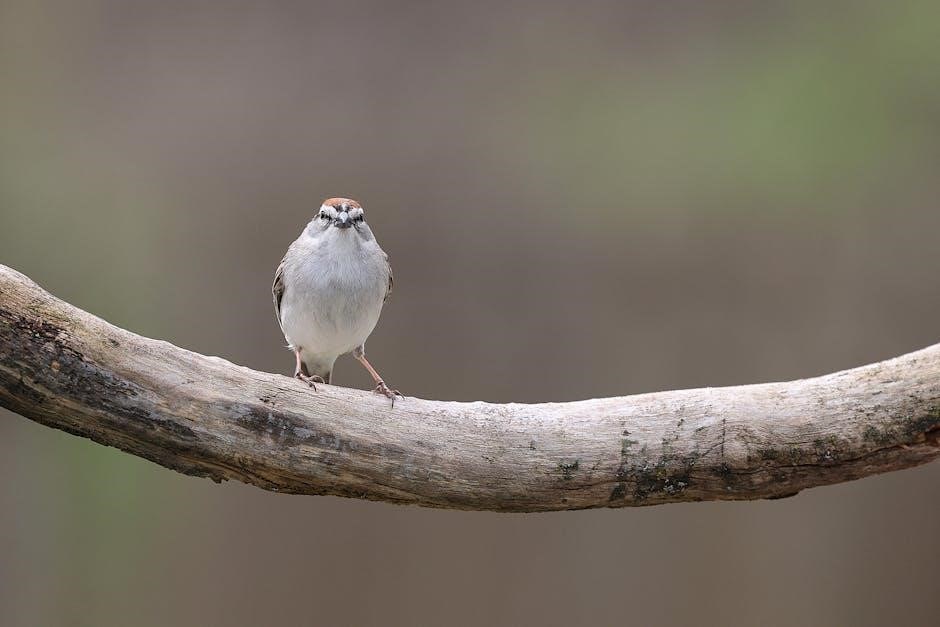
Understanding Regional Variations
Birdsong isn’t uniform across a species’ range; dialects develop, much like human languages! These regional variations stem from learning and cultural transmission within bird populations. Young birds learn songs from their fathers and neighboring males, creating localized song traditions.
For example, a Song Sparrow in California will sing a distinctly different song than one in Maine. These differences can involve variations in the number of syllables, the pitch, or the overall song structure. Recognizing these regional dialects is crucial for accurate identification, especially when comparing recordings or observations from different geographic locations. Paying attention to these subtle nuances elevates your birdsong expertise.
Identifying Birdsong in Different Habitats
The surrounding environment significantly impacts how birdsong travels and is perceived. Dense forests absorb sound, making songs appear muffled and harder to pinpoint, while open fields allow sounds to carry further. Birds adjust their songs based on habitat; those in forests often use lower frequencies that penetrate foliage better.
Near water, echoes can distort sounds, requiring careful listening. Urban environments introduce significant background noise – traffic, construction – demanding focused attention to isolate birdsong. Understanding these habitat-specific acoustic characteristics is vital for accurate identification, enhancing your ability to discern subtle vocalizations amidst varying conditions.
Distinguishing Similar-Sounding Species
Many bird species possess remarkably similar songs, presenting a significant challenge for beginners. Careful attention to subtle nuances is crucial; note the tempo, pitch, and specific phrasing of each vocalization. For example, differentiating between Empidonax flycatchers requires focused listening for minute variations in their “peet” calls.
Consider the context – location, time of year, and accompanying behaviors can offer clues. Recording and comparing songs side-by-side using spectrograms reveals visual differences often missed by the ear. Practice with targeted comparisons, focusing on species known to overlap in range and vocal similarity, to refine your identification skills.
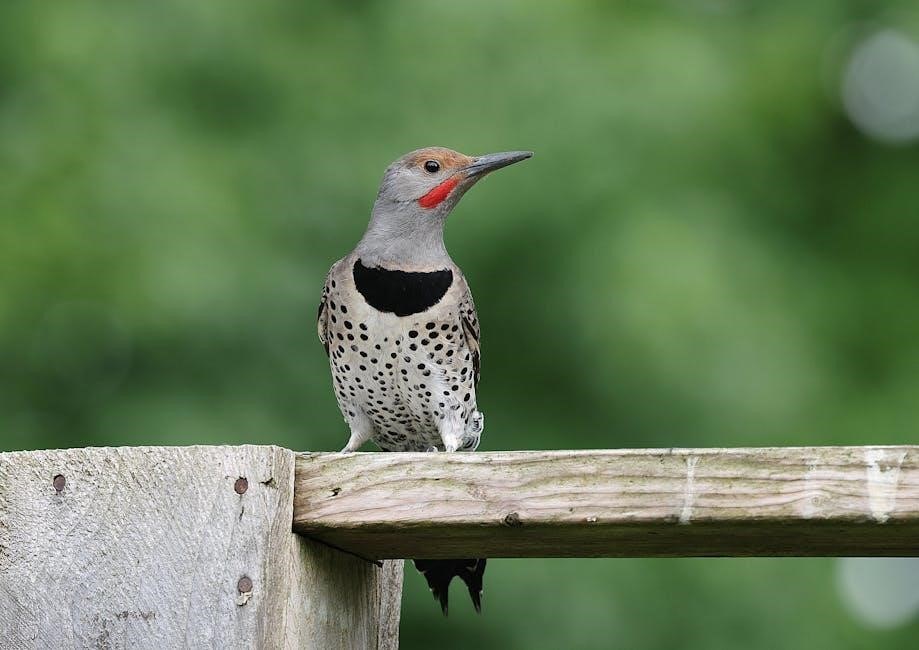
Resources for Further Learning
Expand your knowledge with birdwatching organizations, comprehensive field guides, and engaging online courses – unlocking a deeper understanding of avian vocalizations!
Birdwatching Organizations
Numerous organizations dedicate themselves to bird conservation and education, offering invaluable resources for both novice and experienced birders. The National Audubon Society is a prominent example, providing local chapters, online guides, and citizen science opportunities like the Great Backyard Bird Count. Cornell Lab of Ornithology offers extensive online resources, including the All About Birds website, featuring detailed species accounts and audio recordings of birdsong.
Local bird clubs frequently host field trips, workshops, and mentorship programs, fostering a community of bird enthusiasts. These groups often possess specialized knowledge of regional birdlife and can provide personalized guidance. Participating in these organizations not only enhances your bird identification skills but also contributes to vital conservation efforts, ensuring the preservation of these beautiful creatures and their habitats for generations to come.
Field Guides to Birdsong
Dedicated field guides focusing on birdsong are essential tools for any aspiring birder. These guides typically include detailed sonograms – visual representations of sound – alongside descriptions of each song’s characteristics, like pitch, tempo, and quality. The Sibley Guide to Bird Sounds is a highly regarded resource, offering comprehensive coverage of North American birdsong. Peterson Field Guides also provide excellent options, known for their clear illustrations and user-friendly format.
Digital field guides, often available as apps, offer the convenience of audio playback, allowing you to compare your observations directly with recorded songs. Remember to choose guides specific to your geographic region for the most accurate and relevant information, enhancing your ability to identify birds by their unique vocalizations.
Online Courses and Workshops
Immersive online courses and workshops provide structured learning experiences for mastering birdsong identification. Platforms like Cornell University’s Lab of Ornithology offer excellent courses, ranging from beginner introductions to advanced techniques. These courses often include interactive quizzes, audio exercises, and opportunities to connect with fellow bird enthusiasts.
Local Audubon Societies and birdwatching clubs frequently host workshops led by experienced birders. These in-person sessions offer personalized guidance and the chance to practice identifying songs in a real-world setting. Consider exploring both free and paid options to find a learning style that suits your needs and budget, accelerating your birdsong journey.
Troubleshooting Birdsong Identification
Overcoming challenges like background noise or distant calls requires patience and practice; refining your listening skills is key to accurate birdsong recognition!
Dealing with Background Noise
Identifying birdsong amidst everyday sounds – traffic, wind, or even human conversation – presents a common hurdle. Focus intently on isolating the bird vocalizations by mentally filtering out consistent, predictable noises. Try visiting your backyard during quieter times of day, like early morning, to minimize disturbances. Utilizing noise-canceling headphones can also significantly improve your ability to discern subtle song variations.
Furthermore, learning to recognize the patterns within the background noise can help your brain tune it out. Consider recording the ambient soundscape without birdsong, then comparing it to recordings with birdsong to better differentiate the target sounds. Patience and consistent practice are crucial for mastering this skill!
Identifying Distant Birdsongs
Distant birdsongs often lack the clarity of closer calls, presenting a unique challenge. Focus on the fundamental qualities of the song – its pitch, rhythm, and overall structure – rather than attempting to decipher every nuance. Lower frequencies tend to travel further, so pay attention to deeper, richer tones.
Utilize binoculars to scan the surrounding area, attempting to visually locate the source of the sound. Even a glimpse of a bird can provide valuable clues. Remember that sound can be deceptive; consider potential obstructions that might be affecting the song’s clarity or direction. Practice and familiarity with common local birdsongs are key!
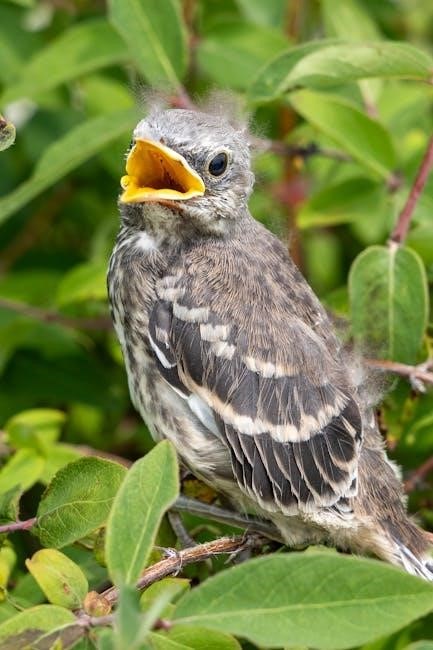
Recognizing Juvenile Birdsongs
Young birds often produce songs that differ significantly from those of adults. These fledgling vocalizations can be quieter, simpler, and more variable, sometimes sounding like a mix of chirps and whistles rather than a fully formed song. They are actively learning, practicing, and refining their vocal skills.
Expect a degree of “plasticity” – juvenile songs may change rapidly as the bird develops. Listen for elements of the adult song within the juvenile’s attempts. Patience is crucial; identifying juvenile birdsong requires careful observation and comparison to known adult vocalizations. Don’t dismiss unusual sounds!