Manual surface grinders are adaptable machines utilized for diverse tasks, including concrete preparation, coating removal, and polishing – essential for various industrial applications.
What is a Manual Surface Grinder?
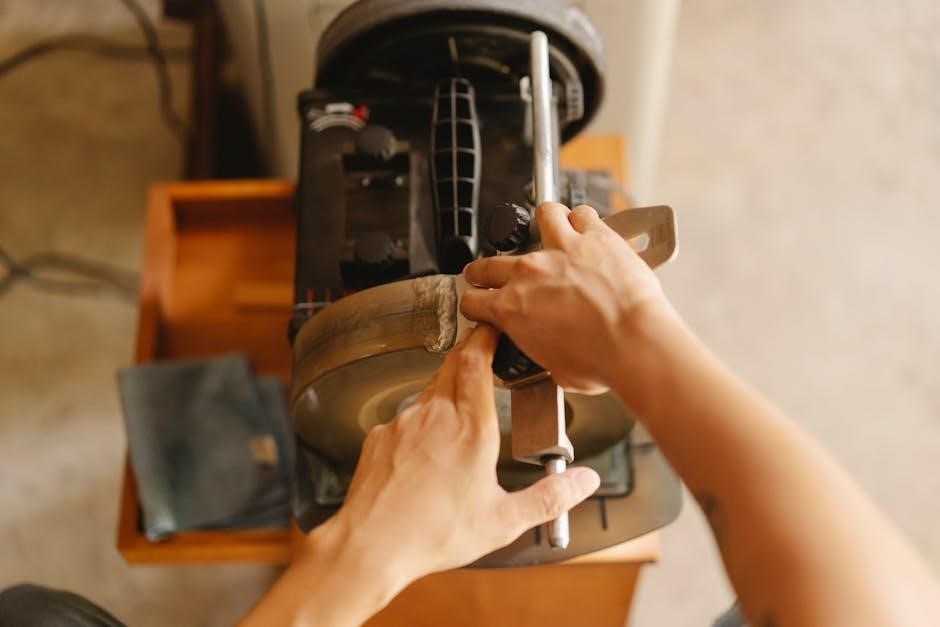
A manual surface grinder is a power-driven machine tool used to achieve high precision in flat surface finishing. Unlike automated counterparts, it relies on the operator’s skill to control feed rates and grinding parameters. These grinders excel at removing material from surfaces, preparing them for coatings, or achieving a polished finish.
They are incredibly versatile, handling concrete, metals, and other materials, making them indispensable in toolmaking, die-making, and precision component manufacturing.
Historical Development of Surface Grinding
Surface grinding’s origins trace back to the late 19th century, evolving from simple abrasive processes. Early manual surface grinders were rudimentary, demanding significant operator skill. Throughout the 20th century, advancements in machine design, abrasive technology, and coolant systems dramatically improved precision and efficiency.
The development of more robust and accurate manual grinders enabled the production of increasingly complex and tightly toleranced components, fueling industrial growth.
Types of Manual Surface Grinders
Manual surface grinders come in rectangular, rotary, and belt configurations, each designed for specific applications and offering unique capabilities for material removal.
Rectangular Surface Grinders
Rectangular surface grinders are the most common type, featuring a flat, rectangular table ideal for grinding flat surfaces and achieving precise dimensions. These grinders excel at handling workpieces with large, flat areas, making them suitable for tool and die making, as well as precision component manufacturing.
Their robust construction and ability to accommodate various wheel sizes contribute to their versatility. The rectangular shape allows for efficient grinding of multiple surfaces in a single setup, enhancing productivity and accuracy in demanding applications.
Rotary Surface Grinders
Rotary surface grinders utilize a rotating table to present the workpiece to the grinding wheel, enabling the machining of curved or contoured surfaces with exceptional precision. This design is particularly advantageous for applications requiring complex geometries or when grinding parts with irregular shapes.
They are often employed in mold and cavity grinding, where intricate details and smooth finishes are paramount. The rotary motion ensures consistent material removal and superior surface quality.
Belt Surface Grinders
Belt surface grinders employ a continuous abrasive belt moving over a platen to achieve material removal, offering a rapid and efficient method for surface preparation and finishing. These grinders excel at stock removal and leveling surfaces before more precise grinding operations.
They are frequently used for deburring, weld removal, and achieving a consistent surface texture, making them valuable in metalworking and fabrication industries.
Key Components of a Manual Surface Grinder
Essential components include the grinding wheel, table mechanisms for precise movement, and a coolant system to manage heat and debris during operation.
Grinding Wheel Selection
Choosing the right grinding wheel is paramount for optimal performance. Factors include the material being ground, desired finish, and wheel abrasive type. Aluminum oxide wheels suit steel, while silicon carbide excels with non-ferrous metals.
Bonding materials – vitrified, resinoid, or metallic – influence wheel strength and cutting action.
Grinding wheel grade, indicating abrasive size, impacts surface finish; coarser grades remove material faster, while finer grades produce smoother results. Proper selection ensures efficiency and quality.
Table Mechanisms and Movement
Manual surface grinders feature tables enabling precise workpiece movement. Longitudinal travel facilitates length-wise grinding, while traverse movement handles width-wise passes. Vertical movement controls depth of cut. These mechanisms, often utilizing handwheels or levers, allow operators to control feed rates and achieve desired surface finishes. Smooth, accurate table movement is crucial for maintaining flatness and dimensional accuracy during the grinding process, ensuring precision.
Coolant System
Manual surface grinders commonly employ coolant systems to manage heat generated during grinding. Coolant, typically water-based with additives, lubricates the grinding wheel and workpiece, reducing friction and preventing thermal damage. It also flushes away swarf, maintaining a clean grinding zone. Effective coolant application extends wheel life, improves surface finish, and enhances grinding precision, contributing to overall operational efficiency and quality.
Operating Principles of Manual Surface Grinders
Manual surface grinders rely on a rotating abrasive wheel to precisely remove material, achieving desired surface finishes through controlled feed rates and spindle speeds.
Feed Mechanisms (Longitudinal, Traverse, Vertical)
Manual surface grinders employ distinct feed mechanisms for precise material removal. Longitudinal feed moves the workpiece along the grinding wheel’s length, ideal for larger surfaces. Traverse feed controls the width of the cut, enabling consistent surface coverage. Vertical feed adjusts the grinding wheel’s depth, influencing material removal rate and finish quality. Operators manually control these movements, achieving accuracy through skilled operation and careful adjustments, ensuring optimal grinding results for diverse applications and workpiece geometries.
Spindle Speed and its Impact
Spindle speed significantly influences the grinding process in manual surface grinders. Higher speeds generally suit harder materials and finer finishes, but can cause wheel wear. Lower speeds are better for softer materials and heavier stock removal, minimizing heat buildup. Selecting the appropriate speed is crucial; it impacts surface finish, material removal rate, and grinding wheel lifespan. Careful adjustment, based on material and desired outcome, optimizes performance and ensures precision.
Grinding Techniques (Roughing, Finishing)
Manual surface grinding employs distinct techniques: roughing and finishing. Roughing rapidly removes material using aggressive settings – high feed rates and coarser wheels – to achieve the desired form. Finishing, conversely, utilizes finer wheels, slower speeds, and lighter passes to attain precise dimensions and superior surface quality. Combining these techniques delivers both efficiency and accuracy, crucial for demanding applications requiring tight tolerances and smooth surfaces.
Materials Suitable for Manual Surface Grinding
Manual surface grinders effectively process diverse materials, including steels, cast iron, and non-ferrous metals like aluminum and brass, offering versatility in manufacturing.
Steel and Alloys
Manual surface grinders excel at working with various steel types and alloys, crucial for precision component creation. High-speed steels, tool steels, and alloy steels respond well to grinding, achieving tight tolerances and superior surface finishes. The process effectively removes material, hardens surfaces, and prepares them for further treatments. Careful wheel selection is vital, considering the steel’s hardness and desired outcome. Achieving optimal results requires appropriate coolant usage to manage heat and prevent workpiece distortion during the grinding operation, ensuring longevity and accuracy.
Cast Iron
Manual surface grinders are frequently employed for processing cast iron components, known for their rigidity and damping characteristics. Grinding cast iron demands specific techniques due to its abrasive nature, which can quickly wear grinding wheels. Utilizing appropriate wheel materials and maintaining consistent coolant flow are essential for efficient material removal; Achieving a smooth, flat surface on cast iron requires careful feed rate control and multiple passes, minimizing chatter and ensuring dimensional accuracy for various industrial applications.
Non-Ferrous Metals (Aluminum, Brass)
Manual surface grinders effectively process non-ferrous metals like aluminum and brass, though these materials present unique challenges. Aluminum’s tendency to load the wheel necessitates frequent dressing and specialized abrasive grains. Brass, being softer, requires lighter cuts and precise speed control to prevent smearing. Proper coolant selection is vital to avoid corrosion and maintain surface finish quality during grinding operations on these versatile materials.

Applications of Manual Surface Grinders
Manual surface grinders are crucial in tool and die making, precision component manufacturing, and mold/cavity grinding, delivering exceptional surface finishes and accuracy.
Tool and Die Making
Manual surface grinders play a vital role in tool and die making, demanding exceptional precision and surface finish. These grinders expertly shape hardened steel tooling, ensuring accurate dimensions and forms for stamping, forging, and molding processes. The ability to achieve tight tolerances is paramount, directly impacting the quality and consistency of manufactured parts. Grinding operations create intricate features, sharp edges, and smooth surfaces essential for die functionality and longevity, contributing significantly to efficient production cycles and reduced waste.
Precision Component Manufacturing
Manual surface grinders are indispensable in precision component manufacturing, where exacting specifications are critical. They facilitate the creation of parts for industries like aerospace, automotive, and medical devices. These grinders deliver the necessary flatness, parallelism, and surface quality required for optimal performance. Skilled operators leverage manual control to refine complex geometries and maintain extremely tight tolerances, ensuring seamless integration of components into larger assemblies and upholding stringent quality standards.
Mold and Cavity Grinding
Manual surface grinders excel in mold and cavity grinding, a process demanding exceptional accuracy and surface finish. These machines shape intricate details within molds used for plastic injection, die casting, and other forming processes. Operators skillfully utilize the grinder to create precise cavities, ensuring the final molded parts meet design requirements. The ability to manually control feed rates and wheel parameters is crucial for achieving complex shapes and maintaining dimensional precision in these demanding applications.
Safety Precautions When Using a Manual Surface Grinder
Prioritize safety with proper PPE, machine guarding, and understanding emergency stop procedures when operating a manual surface grinder to prevent injuries.
Personal Protective Equipment (PPE)
Essential PPE for manual surface grinder operation includes safety glasses or a face shield, protecting eyes from flying debris. Hearing protection, like earplugs or earmuffs, is crucial due to the machine’s noise levels.
Wear appropriate gloves to shield hands from sharp edges and potential abrasions. A dust mask or respirator is vital, preventing inhalation of grinding dust, which can be hazardous.
Sturdy, closed-toe shoes are non-negotiable, safeguarding feet from dropped materials or accidental contact with moving parts. Proper attire minimizes risks during operation.
Machine Guarding
Robust machine guarding is paramount for safe manual surface grinder use. Ensure all guards are securely in place before operation, preventing contact with moving parts like the grinding wheel and table.
Inspect guards regularly for damage or wear, replacing them immediately if compromised. Never bypass or disable safety interlocks, as they are designed to halt operation upon guard removal.
Proper guarding minimizes the risk of injuries from ejected debris or accidental contact, fostering a secure working environment and adhering to safety regulations.
Emergency Stop Procedures
Immediate action is crucial during emergencies. Familiarize yourself with the location of the emergency stop (E-stop) button – typically a large, red mushroom-shaped button – before operating the manual surface grinder.
In any hazardous situation, firmly press the E-stop button to instantly halt all machine functions.
Following activation, do not attempt to restart the grinder until the cause of the emergency is resolved and a qualified technician has verified safe operation.
Maintenance and Troubleshooting
Regular upkeep, including cleaning, lubrication, and wheel balancing, is vital for optimal performance and longevity of your manual surface grinder.
Regular Cleaning and Lubrication
Consistent cleaning is paramount for maintaining a manual surface grinder’s precision and extending its lifespan. Remove swarf and grinding debris immediately after each use, preventing buildup that can affect accuracy; Lubricate all moving parts – slides, leadscrews, and spindles – following the manufacturer’s recommendations.
Utilize appropriate lubricants designed for machine tools, ensuring proper viscosity and compatibility. Regular lubrication minimizes friction, reduces wear, and guarantees smooth operation, ultimately contributing to consistent grinding results and preventing costly repairs.
Wheel Balancing
Dynamic wheel balancing is crucial for minimizing vibration during operation of a manual surface grinder. An unbalanced wheel causes inaccuracies, poor surface finish, and premature wear on both the wheel and machine components. Regularly check the grinding wheel for imbalances, especially after dressing or if vibrations are detected.
Utilize a wheel balancer to identify and correct any imbalances by adding or removing weight. A properly balanced wheel ensures smoother operation, improved grinding precision, and extended tool life.
Common Problems and Solutions
Vibration issues often stem from an unbalanced grinding wheel, requiring dynamic balancing. Poor surface finish can indicate improper wheel selection, incorrect feed rates, or insufficient coolant. Wheel wear is normal, but accelerated wear suggests aggressive cutting parameters or a dull wheel.
Motor overheating may signal inadequate lubrication or a faulty cooling system. Address these promptly to prevent further damage and maintain optimal grinder performance.
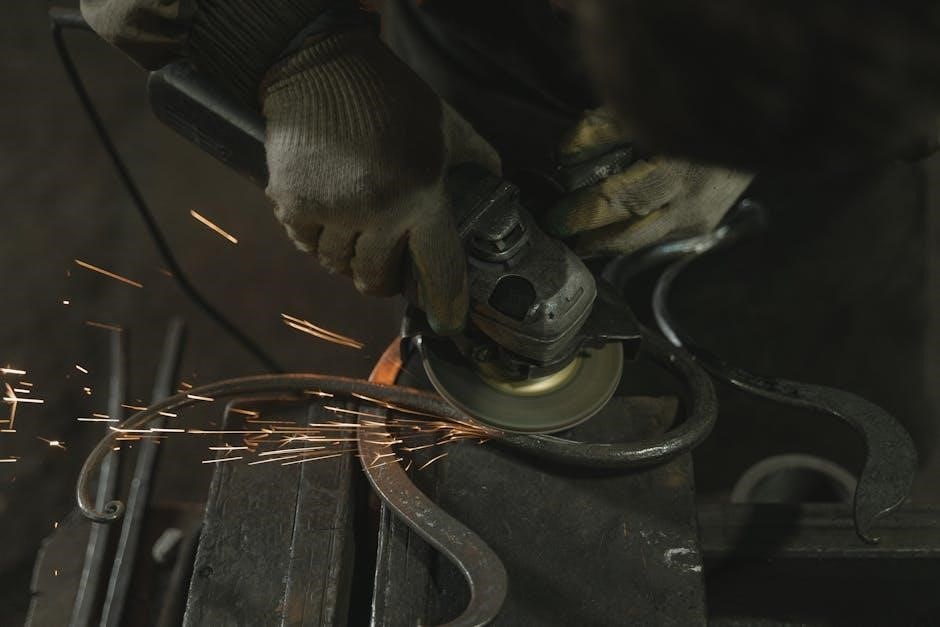
Grinding Wheel Characteristics
Grinding wheels utilize abrasive grains held by bonding materials, categorized by grade to dictate cutting action and surface finish quality.
Abrasive Grain Types
Aluminum oxide is a common, versatile abrasive for steel grinding, offering a good balance of cost and performance. Silicon carbide excels in grinding non-ferrous materials like brass and aluminum, being harder and sharper than aluminum oxide. Ceramic abrasives provide extended life and aggressive cutting, ideal for demanding applications. Diamond, the hardest abrasive, is used for extremely hard materials and precision grinding. Grain size impacts surface finish; coarser grains remove material quickly, while finer grains produce smoother results. Selecting the correct grain is crucial for optimal grinding performance.
Bonding Materials
Vitrified bonds, made from clay and glass, are most common due to their rigidity and resistance to heat and chemicals, suitable for precision work. Resinoid bonds, utilizing synthetic resins, offer higher flexibility and shock absorption, ideal for heavy stock removal. Rubber bonds provide excellent impact resistance and are used for specialized applications. Metal bonds, typically bronze, are used for diamond wheels, offering strong holding power. The bond’s hardness influences wheel life and cutting action, matching abrasive grain and workpiece material.
Grinding Wheel Grades
Grinding wheel grades, denoted by letters from A to Z, indicate bond hardness; A is softest, Z is hardest. Softer grades are used for fragile materials or roughing operations, while harder grades suit harder materials and finishing. Grade selection impacts wheel life and surface finish. A finer grade provides better surface quality but wears faster. Matching the grade to the abrasive grain and workpiece is crucial for optimal performance and preventing wheel loading or premature wear.
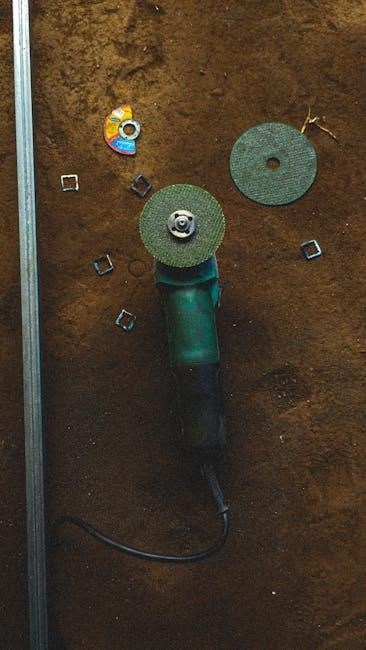
Advanced Techniques
Advanced techniques like form grinding, creep feed grinding, and superfinishing enhance precision and surface quality beyond standard manual surface grinding capabilities.
Form Grinding
Form grinding utilizes a profiled grinding wheel to create complex shapes and contours on the workpiece in a single pass. This technique surpasses conventional surface grinding, eliminating multiple setups and reducing overall machining time. It’s particularly effective for producing intricate geometries, like those found in molds, dies, and specialized components. Achieving optimal results requires precise wheel profiling and careful control of grinding parameters, ensuring accurate replication of the desired form onto the material being processed.
Creep Feed Grinding
Creep feed grinding is a precision finishing process characterized by extremely slow, controlled table feed rates. This method generates exceptionally smooth surface finishes and tight tolerances, ideal for demanding applications. Utilizing a small depth of cut per pass, it minimizes thermal damage and maintains workpiece accuracy; It’s commonly employed for grinding hardened steels and superalloys, delivering superior surface integrity and dimensional control compared to standard grinding techniques.
Superfinishing
Superfinishing represents the pinnacle of surface refinement, achieving sub-micron surface roughness and dramatically improved functional performance. This process employs abrasive-laden fluids and specialized polishing tools, often mounted on manual surface grinders, to remove microscopic peaks and valleys. It enhances fatigue life, reduces friction, and improves sealing capabilities. Superfinishing is crucial for precision components like bearings, gears, and hydraulic cylinders, demanding exceptionally smooth surfaces;
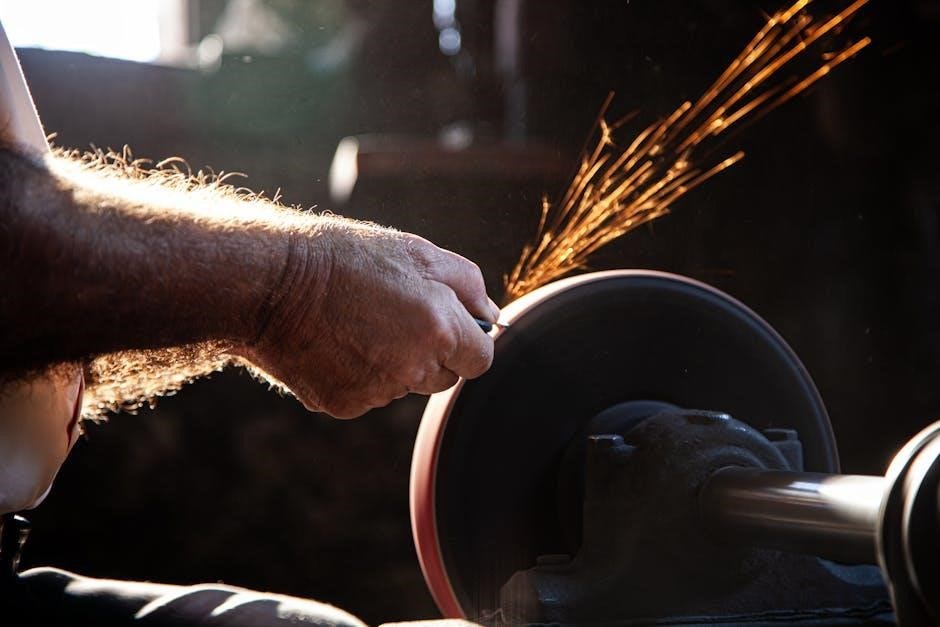
Comparison with Other Grinding Machines
Surface grinding differs from centerless, cylindrical, and internal grinding, excelling at flat surface creation, while others focus on round or internal geometries.
Centerless Grinding
Centerless grinding employs a rotating workpiece supported by two regulating wheels, instead of a traditional center, offering high production rates for cylindrical parts. Unlike manual surface grinding, which focuses on flat surfaces, centerless grinding excels at producing consistently sized holes and external diameters. It’s ideal for high-volume production where precise roundness and surface finish are critical, but lacks the versatility of a surface grinder for complex shapes. The process utilizes a grinding wheel and a separate regulating wheel to control feed and pressure, achieving exceptional accuracy and efficiency.
Cylindrical Grinding
Cylindrical grinding utilizes a rotating abrasive wheel to achieve high precision on cylindrical workpieces, differing significantly from the flat surface focus of manual surface grinders. This method excels at creating precise internal and external diameters, often employing centers to support the workpiece during rotation. While surface grinders handle flat surfaces, cylindrical grinding is preferred for round components demanding tight tolerances and superior surface finishes. It’s a distinct process, optimized for cylindrical geometries and high-volume production runs.
Internal Grinding
Internal grinding focuses on finishing the inner diameters of cylindrical components, a capability distinct from the surface grinding performed by manual surface grinders. This process employs specialized wheels mounted on spindles that enter the workpiece’s bore, achieving precise dimensions and smooth finishes. Unlike surface grinding’s flat surface focus, internal grinding addresses cylindrical interiors, crucial for applications like bearing races and hydraulic cylinders. It requires specialized tooling and techniques for optimal results and accuracy.

Future Trends in Manual Surface Grinding
Emerging trends include integrating automation, enhancing coolant technologies, and developing advanced wheel materials to improve efficiency and precision in manual surface grinding.
Automation Integration
The future of manual surface grinding increasingly involves integrating automated systems to enhance precision and reduce operator fatigue. This includes automated table movements controlled by CNC, allowing for complex geometries and repeatable results. Sensors and feedback loops will monitor grinding forces and wheel wear, adjusting parameters in real-time.
Furthermore, robotic arms could assist with material loading and unloading, streamlining the workflow. While maintaining the “manual” aspect for skilled adjustments, automation boosts overall productivity and consistency in grinding operations.
Improved Coolant Technologies
Advancements in coolant technologies are poised to significantly impact manual surface grinding. Expect to see wider adoption of Minimum Quantity Lubrication (MQL) systems, reducing fluid consumption and environmental impact. New coolant formulations will offer superior chip evacuation and corrosion resistance, extending wheel life.
Furthermore, sophisticated filtration systems will maintain coolant purity, enhancing surface finish quality. Real-time coolant monitoring will optimize performance and minimize waste, contributing to a more sustainable grinding process.
Advanced Wheel Materials
The future of manual surface grinding hinges on innovative wheel materials. Expect to see increased use of cubic boron nitride (CBN) and diamond composites, offering superior hardness and wear resistance for demanding applications. Nanomaterial-infused wheels will enhance cutting efficiency and surface finish.
These advanced materials will enable faster grinding speeds and longer wheel life, reducing overall costs and improving productivity. Research focuses on creating wheels tailored to specific materials and grinding tasks.