Maintaining vibrant vinyl designs requires mindful washing practices! Waiting 24-48 hours post-application is crucial‚ and turning garments inside out protects the delicate heat transfer vinyl.
Gentle cycles and cold water are essential for longevity‚ avoiding harsh chemicals like bleach and strong detergents preserves the design’s integrity and color.
Understanding Heat Transfer Vinyl (HTV)
Heat Transfer Vinyl (HTV)‚ a popular choice for custom apparel‚ consists of a polyurethane film with an adhesive side activated by heat and pressure. Understanding its composition is key to proper care! Unlike fabric dyes‚ HTV sits on top of the material‚ making it susceptible to damage from abrasive washing.
Specialty Materials Brands are often favored for their quality‚ but all HTV benefits from gentle handling. The adhesive‚ while strong‚ can weaken with repeated harsh washes or high heat exposure. Therefore‚ following specific washing guidelines – like turning shirts inside out and using cold water – is paramount to extending the life of your personalized creations.
The Importance of Proper Care
Proper care is non-negotiable for preserving the beauty and longevity of vinyl shirts! Neglecting washing instructions can lead to cracking‚ peeling‚ and faded designs‚ diminishing the appeal of your custom apparel. Harsh detergents and high heat are primary culprits‚ breaking down the adhesive and damaging the vinyl itself.
A proactive approach – turning garments inside out‚ utilizing cold water‚ and avoiding bleach – significantly minimizes wear and tear. Following these simple steps isn’t just about aesthetics; it’s about protecting your investment and enjoying your personalized shirts for years to come!
First Wash Considerations
The initial wash is critical! Always wait 24-48 hours after vinyl application for proper adhesion‚ and carefully inspect the design before washing for any looseness.
Waiting Period After Application
Allowing sufficient curing time after applying heat transfer vinyl (HTV) is paramount for a lasting bond with the fabric. Experts recommend a waiting period of at least 24 to 48 hours before the first wash. This delay allows the adhesive on the HTV to fully set and integrate with the shirt’s fibers.
Rushing this process can lead to premature peeling or cracking of the vinyl design during the initial wash cycle. Patience during this stage significantly extends the life and vibrancy of your customized apparel. Resist the urge to immediately showcase your creation; a little wait goes a long way!
Initial Inspection Before Washing
Before introducing your vinyl shirt to the washing machine‚ a thorough inspection is vital. Carefully examine the edges of the HTV design‚ ensuring complete adhesion to the fabric. Gently feel for any lifting or peeling‚ particularly at corners or intricate details.
If any areas appear loose‚ consider a quick re-press with an iron (using a protective sheet) to reinforce the bond. Addressing minor issues before washing prevents further damage during the cycle. This proactive step safeguards your design and maximizes its durability‚ ensuring a long-lasting‚ vibrant finish.
Washing Machine Settings
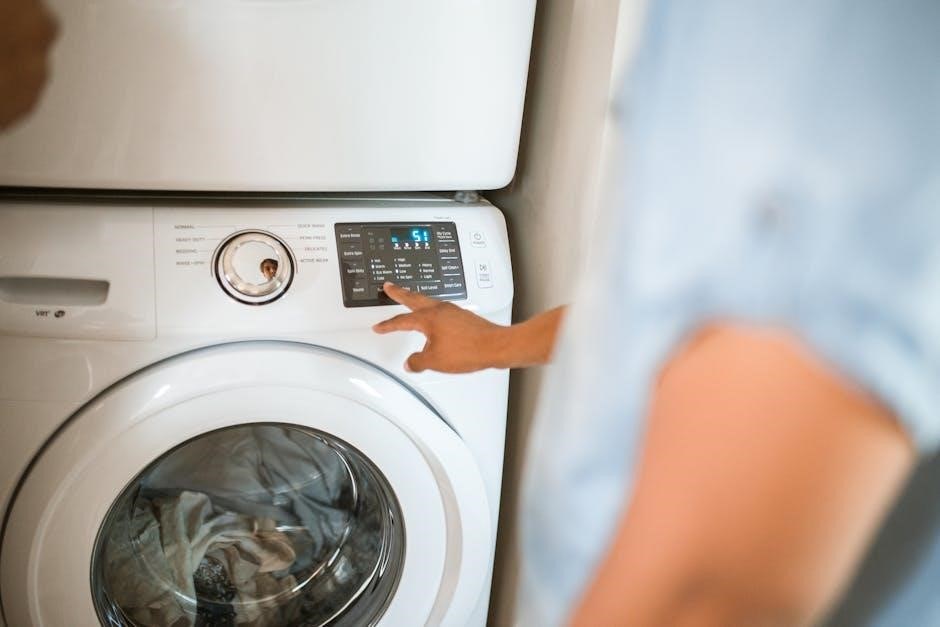
Optimal washing requires a cold water temperature and a gentle or delicate cycle. These settings minimize stress on the vinyl and fabric‚ preventing shrinking or damage.
Water Temperature: Cold Wash Only
Maintaining the integrity of your vinyl designs hinges on consistently using cold water during washing. Hot water can cause the vinyl to crack‚ peel‚ or even completely separate from the fabric. This is because the heat can reactivate the adhesive‚ weakening its bond.
Always check the garment’s care label‚ but when in doubt‚ opt for cold water. It’s the safest bet for preserving the vibrancy and longevity of your heat transfer vinyl. Even lukewarm water can pose a risk‚ so stick to truly cold temperatures for every wash cycle. This simple step significantly extends the life of your customized shirts!
Wash Cycle: Gentle or Delicate
Protecting your vinyl designs demands a gentle approach during the wash cycle. Avoid harsh agitation from normal or permanent press settings‚ as these can cause premature wear and tear on the vinyl. Opt for the “gentle” or “delicate” cycle on your washing machine.
These cycles use slower speeds and less aggressive tumbling‚ minimizing friction against the vinyl. This is crucial for preventing cracking and peeling. A gentler cycle also reduces the risk of stretching or distorting the fabric itself‚ maintaining the overall shape and fit of your shirt. Prioritize a delicate wash for lasting results!
Detergent Choice: Mild‚ Non-Detergent Liquid Soap
Selecting the right detergent is paramount for preserving your vinyl shirt’s quality. Harsh chemicals found in many conventional detergents can break down the adhesive bond of the heat transfer vinyl‚ leading to peeling and fading. Therefore‚ prioritize a mild‚ non-detergent liquid soap.
Powdered detergents are particularly abrasive and should be avoided entirely. Look for detergents specifically designed for delicate fabrics or baby clothes. These options are formulated without harsh enzymes or brighteners. A gentle cleanser ensures a thorough wash without compromising the integrity of your beloved vinyl design‚ extending its lifespan significantly.
Turning the Shirt Inside Out
Protecting your vinyl design during washing is simple: turn the shirt inside out! This minimizes friction and direct contact‚ safeguarding the HTV from potential damage and wear.
Protecting the Vinyl Design
Prioritizing the longevity of your vinyl artwork begins with understanding its vulnerability during laundering. Heat Transfer Vinyl (HTV)‚ while durable‚ can be susceptible to cracking‚ peeling‚ or fading with repeated exposure to abrasive forces. Turning the garment inside out creates a protective barrier‚ significantly reducing direct friction from the washing machine’s agitation and other clothing items.
This simple step prevents the vinyl from catching on surfaces‚ lessening the chance of lifting or damage. Furthermore‚ inverting the shirt shields the design from the full impact of detergent chemicals‚ which can‚ over time‚ compromise the vinyl’s adhesive properties. Consistent inside-out washing is a proactive measure for preserving the vibrancy and integrity of your cherished designs.
Reducing Friction During Washing
Minimizing abrasive contact is paramount when washing vinyl shirts. The washing machine’s tumbling action‚ combined with other garments‚ creates significant friction that can degrade the vinyl’s bond. Selecting a gentle or delicate wash cycle drastically reduces this mechanical stress‚ offering a softer‚ less vigorous cleaning process.
Washing the shirt alone‚ or with similarly soft items‚ further minimizes rubbing and potential damage. Avoiding heavily textured fabrics or items with zippers and buttons prevents snagging and peeling. Employing a mesh laundry bag provides an additional layer of protection‚ encasing the shirt and shielding the vinyl from direct contact with the machine’s interior.
Drying Methods
Prioritize air drying to preserve vinyl integrity! If using a dryer‚ select low heat; high temperatures cause cracking and peeling‚ diminishing design quality over time.
Air Drying: The Preferred Method
Air drying is undeniably the gentlest option for preserving your vinyl shirt’s design. Laying the garment flat on a clean‚ dry surface‚ or hanging it on a plastic hanger‚ minimizes stress on the vinyl. Avoid direct sunlight‚ as prolonged exposure can cause fading of the colors within the HTV.
This method completely eliminates the risk of heat damage associated with machine drying. While it requires a bit more time‚ the extended lifespan of your beautifully designed shirt makes the wait worthwhile. It’s a simple‚ effective way to ensure your vinyl remains vibrant and securely adhered for years to come!
Tumble Drying: Low Heat Only
If tumble drying is absolutely necessary‚ proceed with extreme caution! Always turn the shirt inside out first to provide a protective barrier for the vinyl design. Select the lowest heat setting available on your dryer – high heat is a vinyl’s worst enemy‚ causing cracking and peeling.
Consider using a short drying cycle and checking the garment frequently. Removing it while slightly damp can further reduce heat exposure. Remember‚ air drying remains the superior method‚ but low heat tumble drying can be acceptable in a pinch‚ prioritizing the longevity of your vinyl artwork.
Avoiding High Heat Exposure
High heat is detrimental to vinyl’s adhesive properties‚ leading to premature wear and tear. This applies not only to drying but also to ironing. Direct exposure weakens the bond between the vinyl and the fabric‚ causing lifting‚ bubbling‚ and eventual peeling.
Always opt for cooler washing temperatures and air drying whenever possible. When ironing‚ utilize a protective barrier like a Teflon sheet or pillowcase. Prioritizing low-temperature methods significantly extends the life of your vinyl designs‚ preserving their vibrancy and ensuring lasting enjoyment of your customized apparel.
Avoiding Harsh Chemicals
Steer clear of bleach and fabric softeners! These chemicals degrade the vinyl adhesive‚ causing fading and cracking. Strong detergents also pose a threat to design longevity.
Bleach: A Definite No-No
Bleach is unequivocally detrimental to vinyl shirts. Its harsh chemical composition actively breaks down the adhesive properties of heat transfer vinyl (HTV)‚ leading to peeling‚ cracking‚ and irreversible damage to your cherished designs. Even diluted bleach can cause significant fading and discoloration of the vinyl itself‚ diminishing its vibrancy and aesthetic appeal.
Avoid using bleach-containing detergents or pre-soaking garments in bleach solutions. The corrosive nature of bleach weakens the bond between the vinyl and the fabric‚ ultimately compromising the shirt’s overall appearance and lifespan. Protecting your investment means completely excluding bleach from the washing process.
Fabric Softeners: Potential Issues
Fabric softeners‚ while seemingly harmless‚ can pose risks to vinyl shirt longevity. These products deposit a coating on fabrics‚ potentially interfering with the adhesion of the heat transfer vinyl (HTV) over time. This interference can lead to gradual peeling or a diminished “grip” of the vinyl‚ especially after repeated washes.
Furthermore‚ certain fabric softener ingredients may react with the vinyl’s composition‚ causing discoloration or a subtle alteration in its texture. Opting for a bleach-free‚ mild detergent and skipping the fabric softener is a proactive step towards preserving your vinyl designs’ vibrancy and ensuring lasting wear.
Strong Detergents: Why to Avoid Them
Harsh detergents contain aggressive chemicals that can compromise the integrity of heat transfer vinyl (HTV) designs. These potent formulas‚ designed for deep cleaning‚ can break down the adhesive bond between the vinyl and the fabric‚ leading to cracking‚ peeling‚ and overall design deterioration.
Strong detergents also possess bleaching agents and enzymes that may fade the vibrant colors of the vinyl‚ diminishing its visual appeal. Choosing a mild‚ non-detergent liquid soap specifically formulated for delicate fabrics is a far safer option‚ ensuring your vinyl shirts remain beautiful and intact through numerous washes.

Hand Washing Vinyl Shirts
A gentle alternative‚ hand washing preserves vinyl! Use cold water and mild soap‚ avoiding prolonged soaking‚ as it can loosen the adhesive over time.
A Gentle Alternative
For delicate vinyl shirts‚ hand washing offers superior control and minimizes stress on the design. Fill a clean basin with cool water and add a small amount of mild‚ non-detergent liquid soap. Gently submerge the shirt and swirl it around‚ avoiding harsh scrubbing or twisting motions.
Focus on lightly agitating the fabric to release dirt. Avoid prolonged soaking‚ as this can potentially weaken the vinyl’s adhesive bond. Once clean‚ rinse thoroughly with cool water until all soap residue is removed. Gently squeeze out excess water – do not wring – and lay flat to air dry. This method is ideal for intricate designs or sensitive vinyl types.
Soaking Considerations
While hand washing is gentle‚ prolonged soaking can compromise vinyl adhesion over time. Although soaking loosens dirt‚ it also gradually weakens the bond between the HTV and the fabric‚ potentially leading to peeling. If soaking is necessary for heavily soiled items‚ limit the duration to a maximum of 15-20 minutes.
Use cool water and a mild detergent‚ avoiding agitation during the soak. Regularly check the vinyl’s edges for any signs of lifting. After soaking‚ proceed with gentle washing and rinsing‚ always prioritizing a flat drying method to minimize stress on the design and preserve its longevity.
Ironing Vinyl Shirts
Ironing requires caution! Always iron inside out‚ using a low heat setting‚ and a protective barrier like a Teflon sheet or pillowcase to prevent direct heat exposure.
Ironing Precautions
Direct heat is the enemy of HTV! When ironing a vinyl shirt‚ always prioritize protection. Begin by turning the garment completely inside out; this shields the vinyl design from direct contact with the iron’s hot surface. Utilize the lowest possible heat setting on your iron – avoid steam functions entirely‚ as moisture can compromise the vinyl’s adhesive.
Crucially‚ never place the iron directly onto the vinyl. Instead‚ employ a protective barrier. A Teflon sheet‚ parchment paper‚ or even a clean cotton pillowcase works wonderfully. This layer diffuses the heat‚ preventing melting‚ cracking‚ or peeling of the vinyl. Gentle‚ even pressure is key; avoid prolonged ironing in one spot. Quick‚ sweeping motions are best.
Using a Teflon Sheet or Pillowcase
Protecting your vinyl design during ironing is paramount! A Teflon sheet or clean pillowcase acts as a crucial heat diffuser. Place this barrier directly over the vinyl graphic before applying the iron. The Teflon sheet offers superior heat resistance and a slick surface‚ ideal for even heat distribution. Alternatively‚ a tightly woven cotton pillowcase provides a readily available and effective protective layer.
Ensure the sheet or pillowcase fully covers the design‚ extending beyond its edges. This prevents accidental direct contact with the iron. Use gentle‚ even pressure and avoid prolonged heat exposure in any single area. This method safeguards against melting‚ bubbling‚ or peeling of the HTV‚ preserving its vibrancy and adhesion.
Long-Term Care and Maintenance
Preserve your vinyl shirts by preventing cracking and peeling through proper storage and washing! Consistent gentle care extends the life and vibrancy of your designs.
Preventing Cracking and Peeling
To maximize the lifespan of your vinyl shirts and avoid frustrating cracking or peeling‚ consistent adherence to proper care is paramount. Always turn garments inside out before washing‚ minimizing direct friction on the vinyl design during the wash cycle.
Employ cold water and a gentle detergent; harsh chemicals significantly degrade the vinyl’s adhesive properties. Avoid high heat during drying – air drying is ideal‚ but if using a machine‚ select the lowest heat setting.
Regularly inspect your shirts for any signs of wear‚ addressing minor issues promptly can prevent larger problems. Following these guidelines ensures your designs remain vibrant and intact for years to come!
Storing Vinyl Shirts Properly
Proper storage extends the life of your cherished vinyl shirts‚ safeguarding against unnecessary wear and tear. Avoid hanging shirts for extended periods‚ as this can stretch the fabric and potentially distort the vinyl design. Instead‚ opt for gentle folding‚ storing them flat in a cool‚ dry place away from direct sunlight.
Consider using acid-free tissue paper between folded shirts to prevent color transfer or sticking. Avoid cramming shirts tightly into drawers or containers‚ allowing for adequate airflow.
These simple storage practices‚ combined with diligent washing‚ will ensure your vinyl designs remain vibrant and beautiful for years!
Troubleshooting Common Issues
Addressing problems like peeling or fading requires attention! Re-pressing can fix minor peeling‚ while gentle washing and avoiding harsh chemicals prevent future issues.
Quality vinyl and proper care are key to a lasting‚ vibrant design.
Vinyl Peeling After Washing
Experiencing vinyl peeling after washing is frustrating‚ but often preventable! The most common cause is insufficient adhesion during the initial heat press application. Ensure proper temperature‚ pressure‚ and dwell time were used.
If peeling occurs‚ a re-press may help‚ but it’s a temporary fix. Always turn garments inside out before washing‚ and use a gentle cycle with cold water. Avoid harsh detergents and fabric softeners‚ as these can weaken the adhesive.
Consider the vinyl quality; cheaper brands are more prone to peeling. If peeling persists‚ the initial application likely failed‚ and professional re-application might be necessary.
Faded Vinyl Colors
Noticing faded vinyl colors after washing indicates potential issues with vinyl quality or washing practices. Prolonged exposure to sunlight and harsh detergents significantly contribute to color fading. Always turn shirts inside out before washing to minimize direct detergent contact.
Utilize cold water and a mild‚ non-detergent liquid soap to preserve vibrancy. Avoid bleach entirely‚ as it aggressively strips color. Consider using a color-safe detergent specifically designed for delicate fabrics.
Higher quality vinyls generally resist fading better. Air drying‚ rather than tumble drying‚ also helps maintain color intensity over time.
Specific Vinyl Types and Care
Different vinyls demand tailored care! Standard HTV is durable‚ glitter requires extra gentleness‚ and stretch HTV needs flexibility during washing to maintain its integrity.
Standard HTV Care
For standard Heat Transfer Vinyl (HTV) shirts‚ consistent‚ gentle care is key to a long-lasting design. Always wait a full 24 to 48 hours after application before the initial wash‚ allowing the vinyl to fully bond with the fabric. Turn the garment inside out before placing it in the washing machine – this minimizes friction directly on the vinyl surface.
Utilize a cold water temperature and a gentle or delicate wash cycle. Avoid harsh detergents‚ opting instead for mild‚ non-detergent liquid soap. Never use bleach‚ as it will quickly degrade the vinyl. Tumble drying should be done on low heat‚ or preferably‚ air drying is recommended to prevent cracking or peeling.
Glitter HTV Washing Instructions
Glitter HTV requires extra diligence during washing due to its textured surface and potential for glitter flake loss. The initial 24-48 hour wait period after application is even more critical for glitter vinyl. Always turn the shirt inside out to shield the glitter from abrasion during the wash cycle.
Cold water and a gentle cycle are non-negotiable. Avoid any harsh detergents or fabric softeners‚ as these can loosen the glitter adhesion. Air drying is strongly recommended; tumble drying‚ even on low‚ can cause significant glitter shedding. Hand washing is a fantastic option for preserving sparkle!
Stretch HTV Care Guidelines
Stretch HTV‚ designed for activewear‚ demands specific care to maintain its flexibility and adhesion. Like other HTVs‚ a 24-48 hour curing period is vital before the first wash. Turning the garment inside out is paramount‚ protecting the vinyl during the wash cycle’s agitation.
Utilize cold water and a gentle cycle exclusively. Avoid bleach and fabric softeners‚ as they can degrade the stretch properties of both the vinyl and the fabric. Air drying is preferred‚ but if tumble drying‚ use the lowest heat setting. Proper care ensures lasting vibrancy!

Professional Cleaning Considerations

Dry cleaning is generally discouraged for vinyl shirts‚ as solvents can damage the design. Spot cleaning with mild soap and water is a safer alternative for localized stains.
Dry Cleaning: Generally Not Recommended
Dry cleaning processes often utilize harsh chemicals‚ like perchloroethylene‚ which can negatively impact the adhesive properties of heat transfer vinyl (HTV). These solvents can cause the vinyl to crack‚ peel‚ or even completely detach from the fabric over time‚ diminishing the shirt’s aesthetic appeal.
Furthermore‚ the high heat involved in some dry cleaning cycles can also contribute to vinyl degradation. While some dry cleaners may claim to be gentle‚ the risk remains substantial. It’s always best to err on the side of caution and avoid professional dry cleaning altogether when dealing with vinyl-decorated apparel. Prioritize gentler washing methods to preserve your designs!
Spot Cleaning Techniques
For minor stains on vinyl shirts‚ targeted spot cleaning is preferable to a full wash. Gently blot the affected area with a soft cloth dampened with cool water and a tiny amount of mild liquid soap – avoid rubbing vigorously‚ which could damage the vinyl.
Test the cleaning solution on an inconspicuous area first to ensure colorfastness. Once cleaned‚ rinse the spot with cool water and blot dry with a clean towel. Avoid using stain removers or harsh chemicals‚ as these can compromise the vinyl’s adhesion. Patience and a gentle touch are key to preserving your design!

Extending the Life of Your Vinyl Shirts
Consistent adherence to the care guide‚ coupled with utilizing high-quality vinyl material‚ dramatically extends the lifespan of your cherished vinyl shirts‚ preserving their beauty!
Following the Care Guide
Diligent adherence to the provided care instructions is paramount for preserving the vibrancy and integrity of your vinyl shirts. Remember the initial 24-48 hour waiting period after application‚ allowing the vinyl to fully bond with the fabric. Always turn garments inside out before washing‚ minimizing friction and direct abrasion to the design.
Opt for cold water and a gentle or delicate wash cycle‚ steering clear of harsh detergents‚ bleach‚ and fabric softeners. These can compromise the vinyl’s adhesive and cause fading or cracking. Air drying is the preferred method‚ but if using a dryer‚ select a low heat setting.
Consistent application of these guidelines will significantly extend the life of your vinyl creations!
Quality of Vinyl Material
The longevity of your vinyl shirt is intrinsically linked to the quality of the heat transfer vinyl (HTV) used. Higher-grade vinyls‚ like those from Specialty Materials Brands‚ demonstrate superior adhesion and durability‚ withstanding numerous washes with minimal fading or peeling.
While proper washing techniques are vital‚ even the most careful laundering can’t compensate for inferior vinyl. Investing in premium HTV ensures a more resilient and long-lasting design. Remember to always follow the manufacturer’s specific care recommendations for the vinyl type.
A quality vinyl is a foundational element for a lasting impression!